What to Wear for the Weather and Occasion — A Practical Guide
"What should I wear today?" — most of us ask this every morning. The answer depends on two things: the weather and the occasion. Once you have those two parameters, the rest is just matching clothes from your own wardrobe.
The Closie team10 min read
In short
dress for the feels-like temperature, not the number on the thermometer. Wear one airy layer above 25°C (77°F), two layers at 15–20°C (59–68°F), three layers at 5–10°C (41–50°F), and a warm base layer, hat and gloves below freezing. Wind and rain make it feel a few degrees colder. Then adjust the same outfit to the occasion: more polished for work, softer for a date, dressier for a wedding.
In this guide
- How to dress for the weather — the basics
- What to wear at each temperature
- What to wear in the rain
- What to wear on a windy day
- What to wear in humid heat
- How to dress for different occasions
- Weather and occasion together: quick combinations
- Travelling? Pack for the forecast
- How Closie combines weather and occasion
- 5 rules for dressing well every day
- Summary
How to dress for the weather — the basics
The layering principle
Instead of one thick layer, wear several thin ones. Mornings are cooler, afternoons warmer — layers let you adapt throughout the day. A hoodie plus a windproof jacket gives you far more flexibility than a single heavy jumper.
- Base layer: the piece next to your skin. Cotton for warm days, merino or a thermal top for cold ones
- Mid layer: a jumper, cardigan, shirt or fleece that holds warmth
- Outer layer: a jacket or coat that blocks wind and rain
Air temperature vs. felt temperature
15°C in full sun with no wind feels completely different from 15°C under clouds with a strong breeze. Pay attention to wind speed and humidity, not just the number on the thermometer. Most weather apps show a feels-like temperature, and that is the number to dress for.
Plan for the whole day, not just the moment you leave
If it's 8°C in the morning and 22°C forecast for the afternoon, dress lightly but take something to cover up at the start. Thinking ahead eliminates morning panic and means you're prepared for whatever the day brings.
What to wear at each temperature
Use this chart as a starting point. If you run cold, move one row down; if you walk or cycle a lot, move one row up.
| Temperature | Layers | What to wear | Shoes |
|---|---|---|---|
| 30°C / 86°F and above | Layers: 1, very light | What to wear: Linen dress, loose linen trousers, a cotton or viscose top | Shoes: Sandals, espadrilles |
| 25–30°C / 77–86°F | Layers: 1 | What to wear: A dress, shorts or wide-leg trousers, a strappy top or short-sleeved shirt | Shoes: Sandals, canvas trainers |
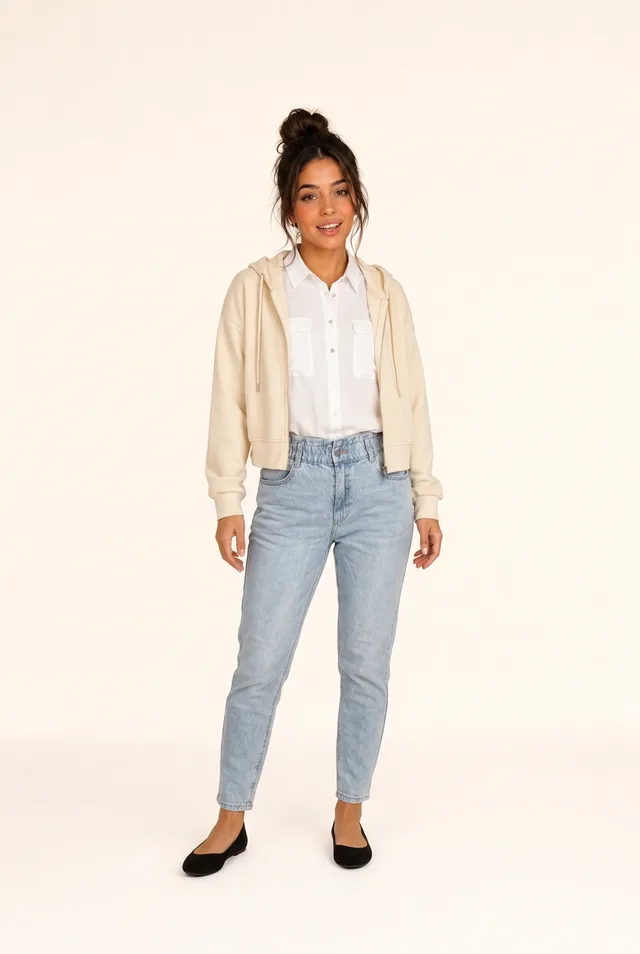
| 20–25°C / 68–77°F | Layers: 1 + a light layer for the evening | What to wear: A T-shirt or blouse with jeans, a light skirt or a midi dress, a thin blazer or denim jacket | Shoes: Trainers, ballet flats, loafers |
| 15–20°C / 59–68°F | Layers: 2 | What to wear: A top plus a light jumper, shirt or blazer, a trench coat or light jacket for the morning | Shoes: Closed shoes |
| 10–15°C / 50–59°F | Layers: 2–3 | What to wear: A jumper or sweatshirt over a T-shirt, jeans or heavier trousers, a trench, leather jacket or light coat | Shoes: Ankle boots, trainers |
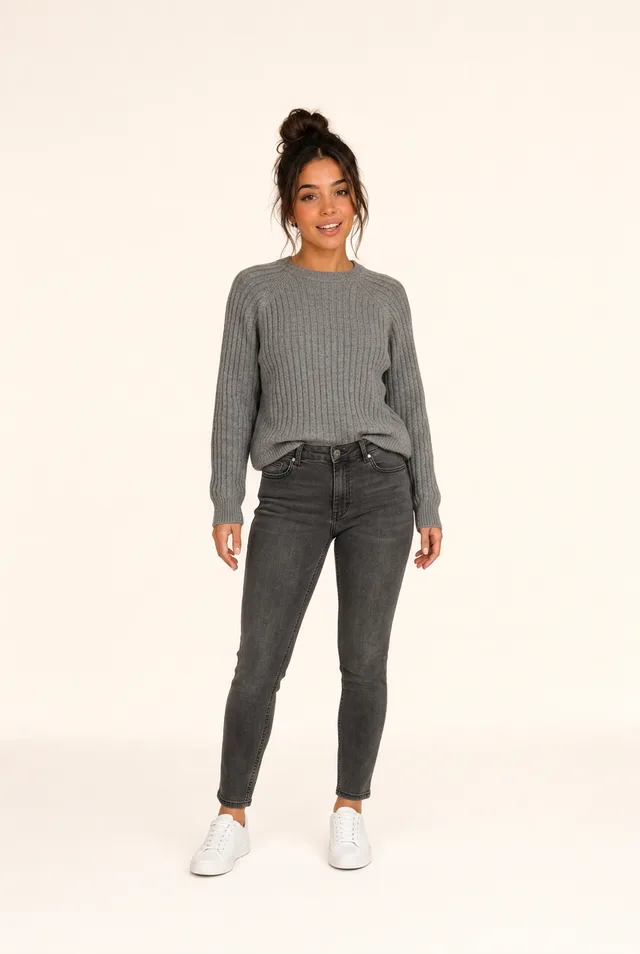
| 5–10°C / 41–50°F | Layers: 3 | What to wear: A roll-neck or long-sleeved top, a jumper, a wool coat or padded jacket, a scarf, tights under a skirt | Shoes: Ankle boots |
| 0–5°C / 32–41°F | Layers: 3 + accessories | What to wear: A warm coat or down jacket, a thick jumper, scarf and hat | Shoes: Boots with a thicker sole |
| Below 0°C / 32°F | Layers: 3–4 | What to wear: A thermal or thin roll-neck under your jumper, a down jacket or long warm coat, hat, gloves, wool socks | Shoes: Insulated boots with grip |
What to wear in the rain
- A hooded jacket or a trench coat with a water-repellent finish. A long trench keeps your trousers drier than a short jacket
- Shoes that do not soak through: leather or rubber-soled ankle boots, or trainers with a solid upper. Skip suede and canvas
- Darker trousers or jeans that hide splashes, cropped or ankle length so the hem stays dry
- A compact umbrella in your bag for days with showers in the forecast
What to wear on a windy day
- A tightly woven jacket or coat that blocks the wind, zipped or belted
- A scarf, which protects your neck and makes a big difference to how warm you feel
- Pieces that do not fly about: trousers or a midi skirt rather than a flared mini
- Hair tied back or a hat that sits firmly, if you are going to be outside for long
What to wear in humid heat
Humidity makes 26°C feel like 30°C, and sweat does not dry on your skin. Choose breathable fabrics and loose cuts that leave air between you and your clothes.
- Linen, cotton and viscose instead of polyester
- Loose dresses, wide-leg trousers and shirts worn open over a top
- Light colours that reflect the sun
- A thin cardigan in your bag for air-conditioned offices, trains and cinemas
Damp cold
At 5°C and drizzle, wool and wool blends stay warm even when slightly damp, while cotton cools you down. A wool jumper under a water-repellent coat is warmer than a thick cotton sweatshirt.
How to dress for different occasions
Office work
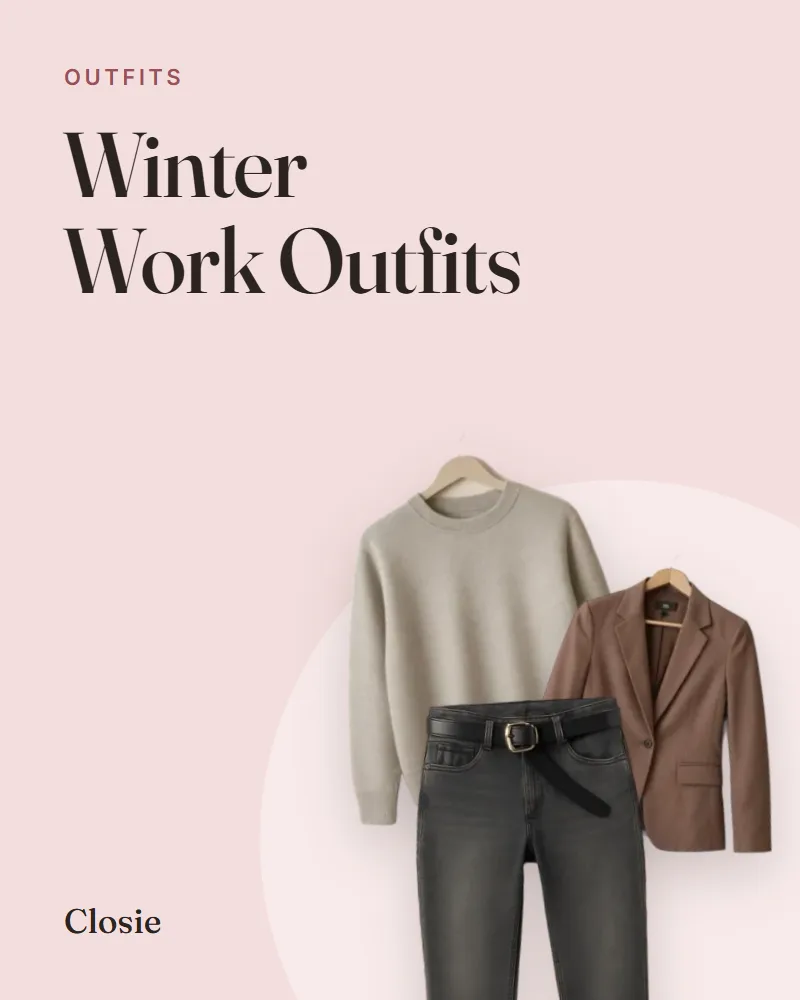
Go for smart casual — polished without being formal. Neutral-coloured trousers or a skirt, a blouse or shirt, a relaxed blazer or cardigan. Avoid loud colours and busy prints that distract in meetings. In winter, layer a thin roll-neck under your shirt so you can take your jumper off in a warm office.
Casual day out
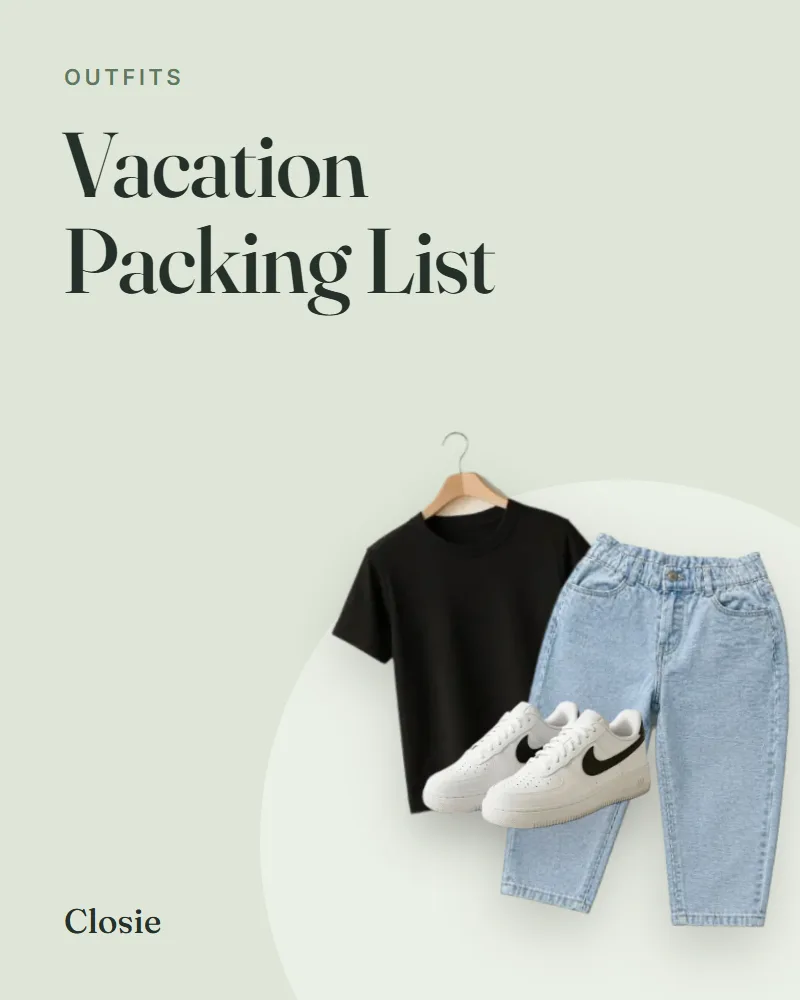
You have a lot of freedom here. Jeans, trainers, a T-shirt or blouse — whatever you feel comfortable in. Accessories lift a casual outfit without requiring a wardrobe overhaul.
Formal occasions and weddings
A midi dress or a tailored suit are safe choices. The key is fit — both to your body and to the dress code. For an outdoor wedding, think about the ground and the evening: block heels instead of stilettos on grass, and a wrap or jacket for after sunset. If you're unsure of the dress code, smart casual will never let you down.
Read more
What to wear to a wedding as a guestFirst date or evening with friends
Wear what makes you feel good. Psychological comfort matters more than chasing the latest trend. Check the forecast for the evening, not the afternoon: dates often end later than they start, and a cold walk home spoils the mood.
Weather and occasion together: quick combinations
| Weather | Work | Date or dinner | Wedding or event |
|---|---|---|---|
| Hot (25°C+ / 77°F+) | Work: Linen trousers and a sleeveless blouse, a thin blazer for meetings | Date or dinner: A midi slip dress and sandals | Wedding or event: A light midi dress in silk or viscose, block-heel sandals |
| Mild (15–20°C / 59–68°F) | Work: Trousers, shirt and a blazer | Date or dinner: Jeans, a silky top and a trench coat | Wedding or event: A midi dress with a tailored jacket |
| Cold (5–10°C / 41–50°F) | Work: A roll-neck, wool trousers and a coat | Date or dinner: A knit dress, tights and knee-high boots | Wedding or event: A long-sleeved dress, a wool coat and closed heels |
| Rainy | Work: Dark trousers, ankle boots and a long trench | Date or dinner: Dark jeans, a jumper and leather ankle boots | Wedding or event: A dress with closed shoes and a compact umbrella |
Travelling? Pack for the forecast
Check the forecast for every day of the trip, not just the day you arrive. Pack pieces that layer — a jumper that works over a dress and under a jacket — and one outer layer that handles both wind and rain. That way you take fewer clothes and still have an outfit for every day.
How Closie combines weather and occasion
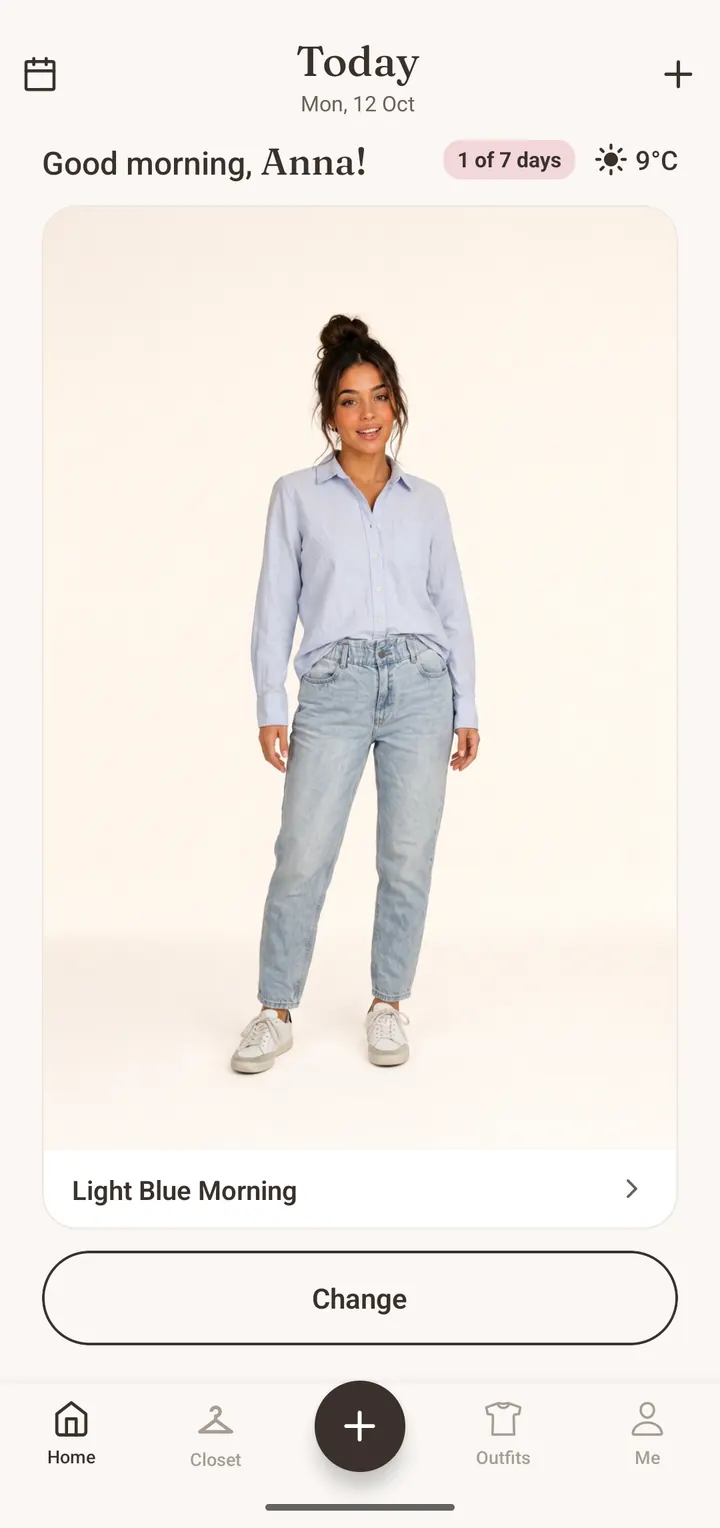
Closie checks the weather forecast for your location and asks about the type of occasion at the same time. It then suggests specific outfits from your actual wardrobe — not random images from the internet, but real combinations from clothes you own. The virtual fitting room even shows how you'll look in each outfit before you get dressed.
5 rules for dressing well every day
- Check the full-day forecast in the morning, not just the current temperature
- Plan your outfit the evening before — saves time and stress in the morning
- Keep one reliable outfit ready for each type of occasion you face regularly
- Invest in neutral colours as a base — they go with everything else in your wardrobe
- Use an app to remember what you own and what works together
What should I wear at 15°C (59°F)?
Two layers: a T-shirt or blouse with a light jumper, shirt or blazer, plus a trench coat or light jacket for the morning and evening. Jeans or trousers and closed shoes.
What should I wear at 10°C (50°F)?
A jumper or sweatshirt over a long-sleeved top, jeans or heavier trousers, and a light coat, trench or leather jacket. Ankle boots or trainers. If it is windy or rainy, choose a warmer coat and add a scarf.
What should I wear at 5°C (41°F)?
Three layers: a long-sleeved top or roll-neck, a jumper, and a wool coat or padded jacket. Add a scarf and wear tights under a skirt.
Is it jacket weather at 20°C (68°F)?
Usually not during the day, but take a thin layer for the evening or for an air-conditioned office: a denim jacket, a blazer or a light cardigan.
How do I dress when it is cold in the morning and warm in the afternoon?
Dress for the afternoon and add layers you can take off and carry: a light jumper and a trench coat or a down vest. Avoid a single thick jumper, which is too warm later in the day.
Summary
Dressing for the weather and occasion doesn't require a natural flair for fashion — it requires a system. When you know what you own (digital wardrobe), you know the weather (Closie checks it), and you understand the occasion, the answer to "what should I wear?" becomes obvious every single morning.
Download Closie and dress smarter
Your wardrobe, today’s outfit and your skincare in one app. The basic version is free.